LA HISTORIATHE STORY

Una villa, cinco máscaras y un nombre que solo se conserva si se gana.

A village, five masks, and a name that lasts only when it is earned.

Antes de la villa, el escenarioBefore the village, the stage

En la commedia dell’arte, los amos entraban en escena creyéndose dueños de todo. Entonces aparecía Arlecchino. El bufón se reía del amo delante de todos. No necesitaba un trono para decir la verdad. Le bastaba la máscara, el cuerpo ligero y una libertad que no se dejaba mandar.

Harlequin toma ese gesto y lo convierte en origen. No se enfrenta al poder con fuerza. Construye una salida. Poco a poco, por capas, con la paciencia de quien sabe que una casa firme empieza por una sola piedra.

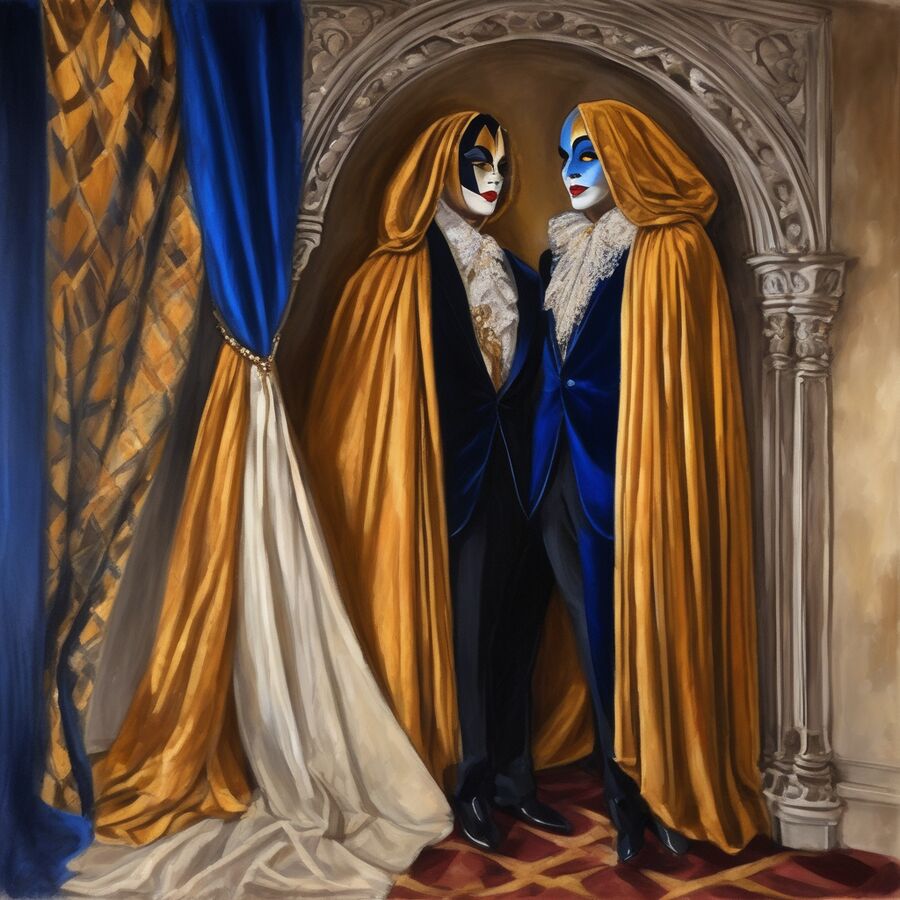
Por eso no hay caras. Una cara arrastra una historia privada y puede convertirse en autoridad por sí sola. Una máscara deja el foco en los actos. El nombre pertenece a lo que hace la máscara, no a la persona que pudiera haber detrás. La privacidad no es un velo provisional: es parte de la escena.

In commedia dell’arte, masters walked onstage believing they owned everything. Then Arlecchino appeared. The fool laughed at the master in front of everyone. He needed no throne to tell the truth. The mask was enough, along with a quick body and a freedom that would not be commanded.

Harlequin takes that gesture as its beginning. It does not meet power with force. It builds a way out. Slowly, layer by layer, with the patience of someone who knows that a solid house starts with one stone.

That is why there are no faces. A face carries a private story and can become a source of authority by itself. A mask keeps the focus on deeds. The name belongs to what the mask does, not to any person who might be behind it. Privacy is not a temporary veil. It is part of the stage.

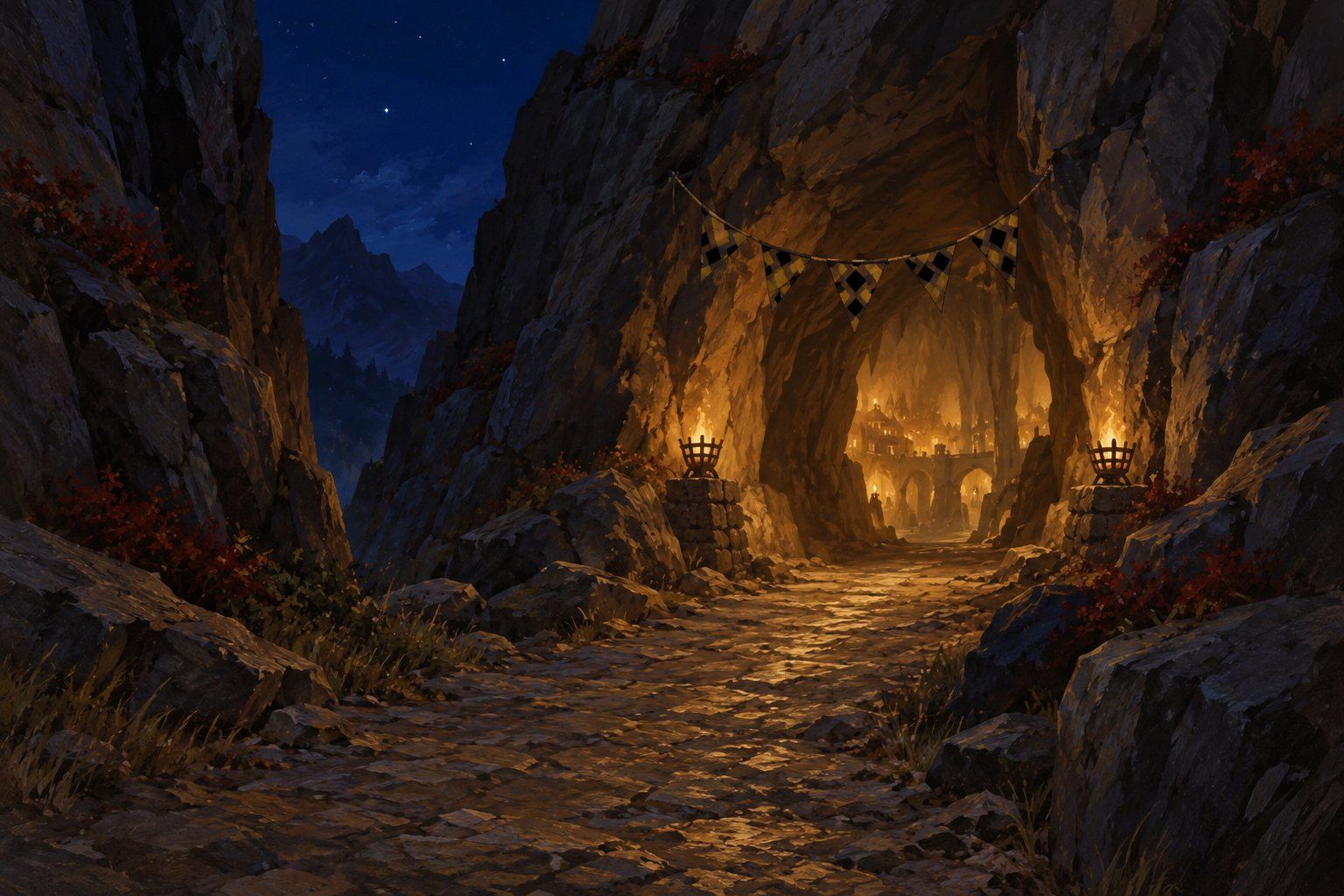
Entrada de la cueva entre montañas / Entrance to the cave between the mountains
Toda historia empieza en un umbral.Every story begins at a threshold.

Cinco máscaras para sembrar una redFive masks to sow a network

Cuando la obra empieza, salen cinco máscaras. No son una corte. Son una semilla temporal: una figura que une y cuatro manos que abren los cuatro caminos de la reputación. La cohorte no se queda con la escena. Se desvanece cuando entra el pueblo.

When the play begins, five masks step out. They are not a court. They are a temporary seed: one figure to bind the whole, and four hands to open the four paths of reputation. The cohort does not keep the stage. It fades when the people arrive.

Arlecchino

El Arlequín une las máscaras. No reclama un palo. Guarda el primer hilo de confianza y se desvanece el primero. Es el espíritu de la red, no un trono.

Arlecchino binds the masks together. He claims no suit. He holds the first thread of trust and fades first. He is the spirit of the network, not a throne.

Brighella

Brighella abre el primer mercado libre. Siembra el comercio: el impulso de crear e intercambiar por acuerdo.

Brighella opens the first free market. He sows commerce: the drive to create and exchange by agreement.

Il Dottore

Il Dottore forja las herramientas que liberan. Siembra la técnica: saber construir lo que permite a otros sostenerse por sí mismos.

Il Dottore forges the tools that set people free. He sows technical craft: the knowledge to build what lets others stand on their own.

Il Capitano

Il Capitano defiende la sociedad y juzga los agravios. Siembra la justicia sin Estado: una lucha que no necesita convertirse en dominio.

Il Capitano defends the society and judges wrongs. He sows justice without a State: a fight that need not become domination.

Colombina

Colombina teje los lazos y cuida la comunidad. Siembra el gobierno como cuidado, nunca como mando sobre la vida ajena.

Colombina weaves the bonds and cares for the community. She sows governance as care, never as command over another life.

Las cinco empiezan sin una corona que heredar. Su lugar se gana en los mismos actos que cualquier otra máscara. La escena es suya solo el tiempo necesario para encender la primera luz. Después, el decaimiento hace su trabajo: las máscaras salen de escena cuando el pueblo entra.
The five begin with no crown to inherit. Their place is earned through the same deeds as any other mask. The stage is theirs only for as long as it takes to light the first lamp. Then decay does its work: the masks leave the stage when the people enter.

Los cuatro palos del nombreThe four suits of a name

La reputación tiene cuatro dimensiones. Cada una mira una manera distinta de contribuir. El diamante abre, el corazón sostiene, la pica defiende y el trébol construye las herramientas de la libertad.

Reputation has four dimensions. Each one looks at a different way of contributing. The diamond opens, the heart sustains, the spade defends, and the club builds the tools of freedom.

ComercioCommerce

Ambición para crear e intercambiar.Ambition to create and exchange.

GobiernoGovernance

Cuidado para mantener unidos los lazos.Care for the bonds that hold people together.

JusticiaJustice

Fuerza para defender sin dominar.Strength to defend without ruling.

TécnicaTechnical craft

Herramientas que hacen posible la independencia.Tools that make independence possible.

Hay que ganarse los cuatro porque una sola virtud no basta para sostener lo común. El comercio no compensa la falta de justicia. La técnica no sustituye al cuidado. La voz que pesa en el conjunto nace de una confianza completa, no de un talento aislado.

You must earn all four because one virtue is not enough to carry what is shared. Commerce does not make up for a lack of justice. Technical skill does not replace care. A voice that carries weight across the whole comes from complete trust, not from one isolated talent.

La reputación tiene una vida media de 24 meses. En una vuelta completa, el nombre cae a la mitad si dejas de jugar. El 24 guarda dos números: el 2 de las dos caras de la máscara y el 4 de los cuatro palos. No es castigo. Es ritmo. El poder se vive; no se hereda.

Reputation has a half-life of 24 months. In one full turn, a name falls by half if you stop playing. The 24 holds two numbers: the 2 of the mask’s two faces and the 4 of the four suits. It is not a punishment. It is a rhythm. Power is lived, not inherited.

De la cueva al valleFrom the cave to the valley

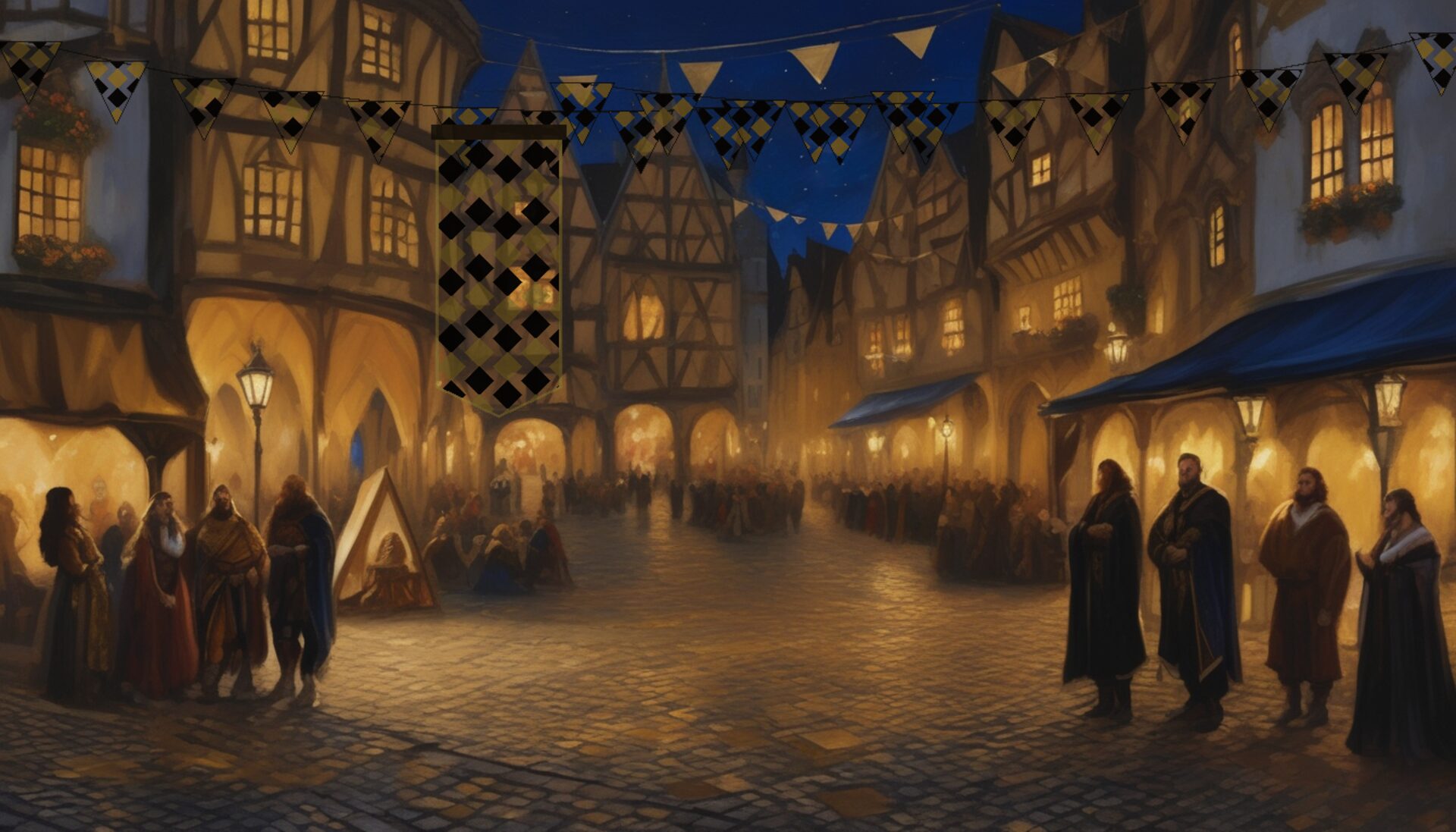
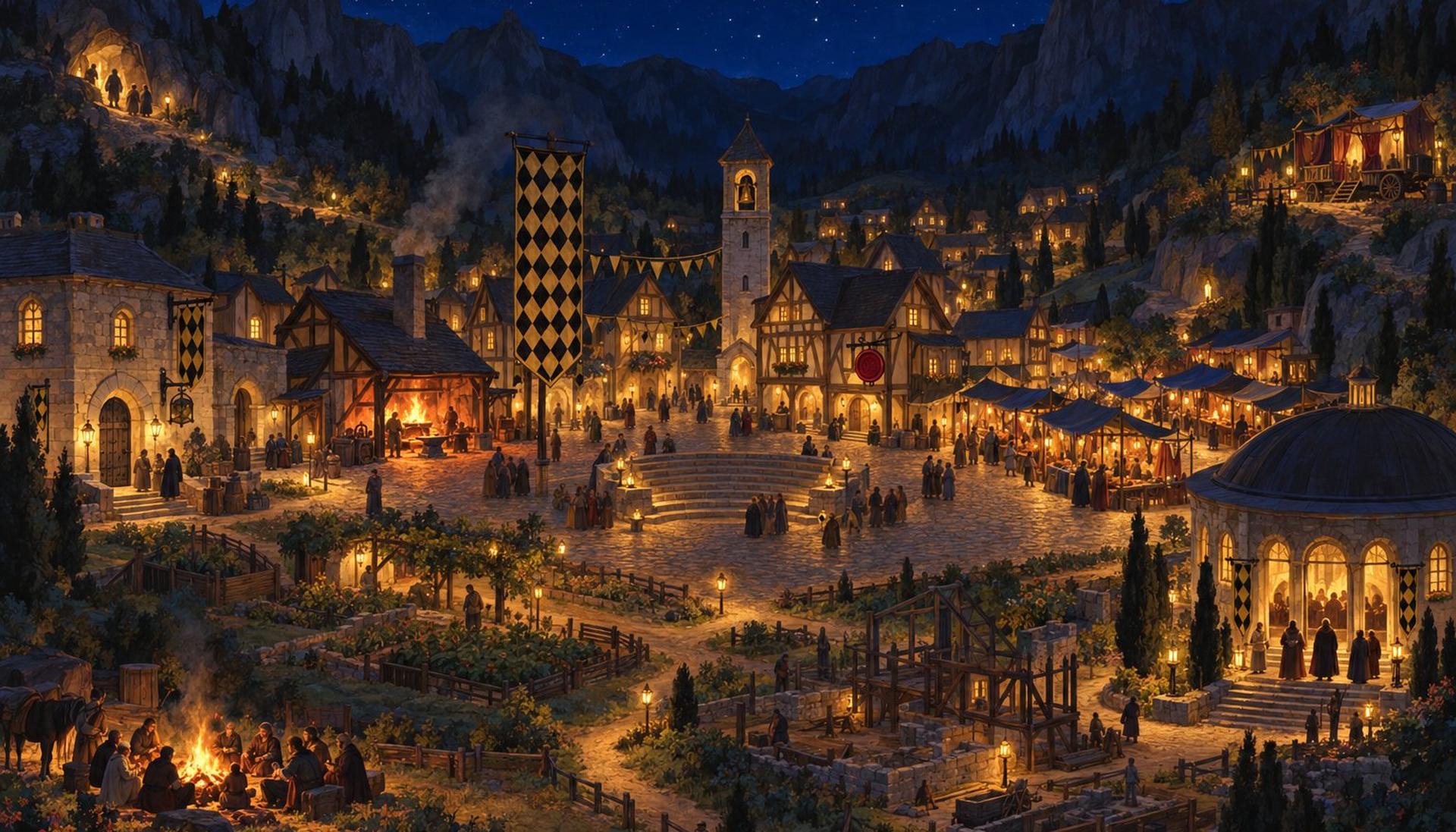
Al principio hay una cueva entre montañas. Es refugio y umbral. Luego el espacio se abre. La cueva se convierte en valle y el valle crece. No aparece una ciudad terminada: aparece un lugar que puede recibir a quien llega, y que cambia con las manos que lo habitan.

At first there is a cave between mountains. It is shelter and threshold. Then the space opens. The cave becomes a valley, and the valley grows. No finished city appears. A place emerges that can receive whoever arrives, and change with the hands that inhabit it.

La villa extendiéndose por el valle / The village spreading through the valley
El refugio se vuelve un lugar para encontrarse.Shelter becomes a place to meet.
Vista de la villa en el valle / View of the village in the valley
La villa crece sin borrar el valle.The village grows without erasing the valley.

Las estanciasThe rooms

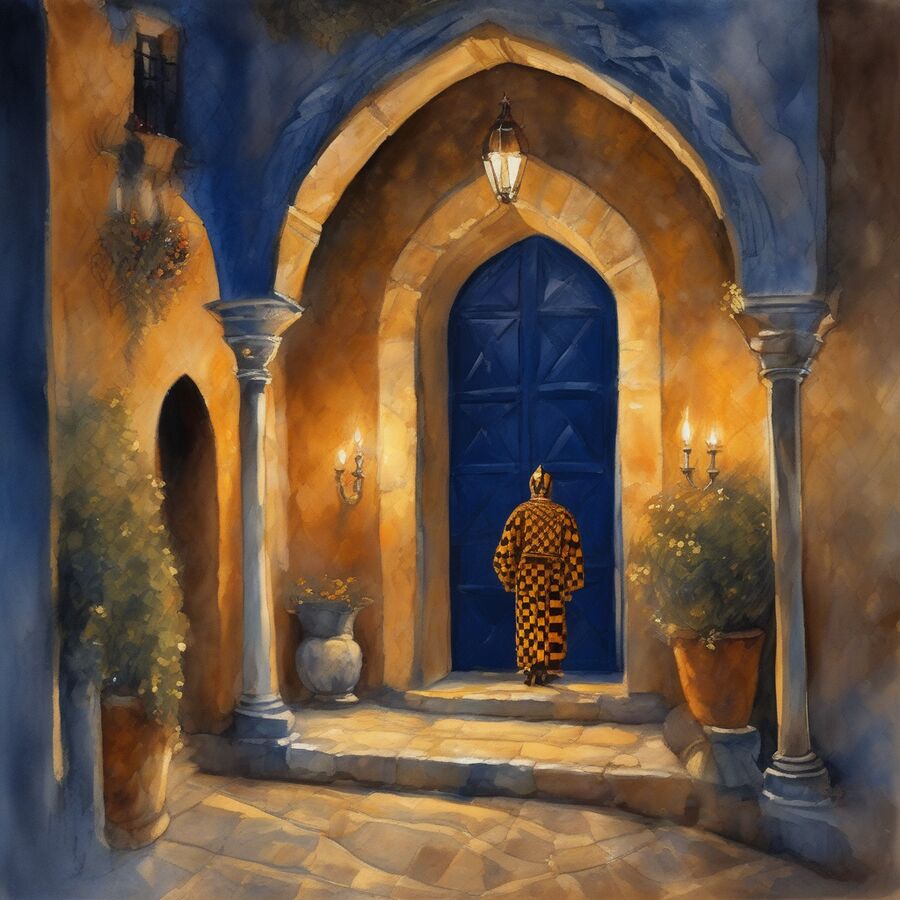
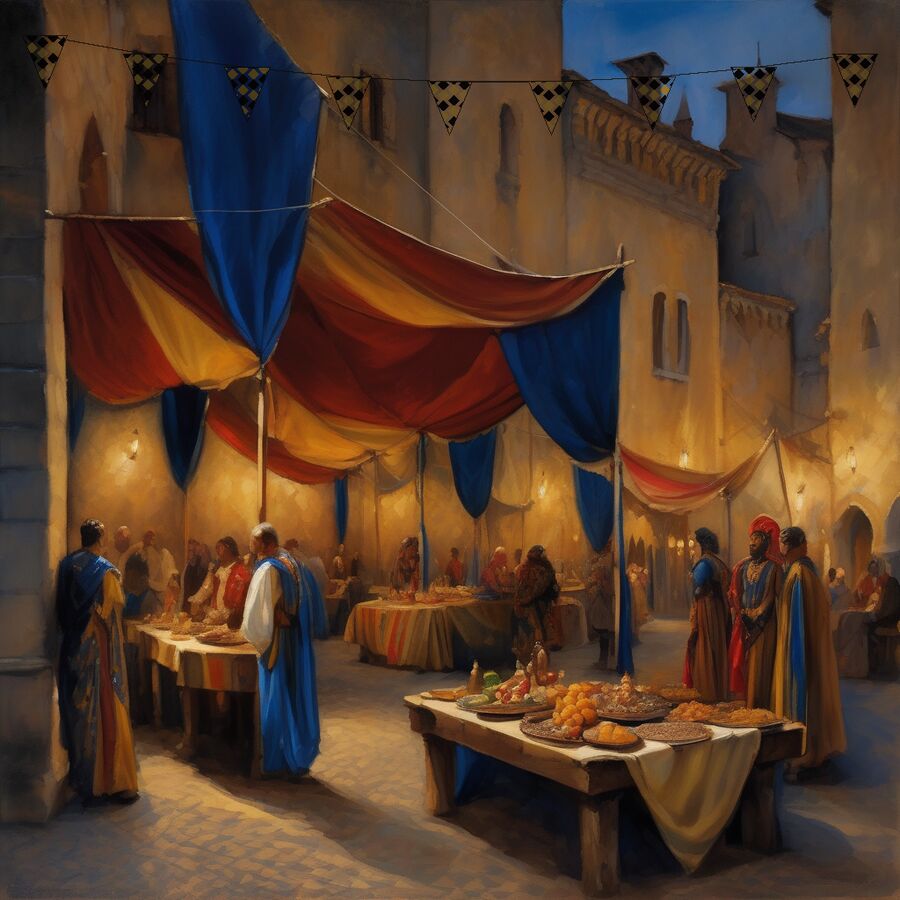
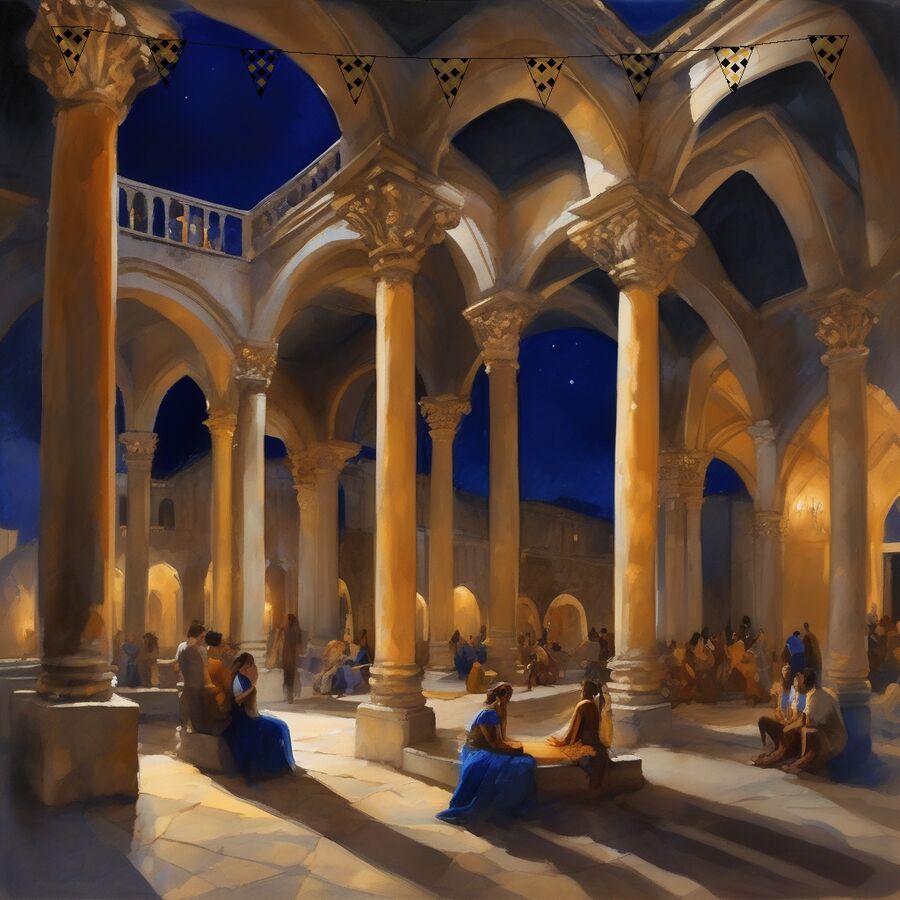
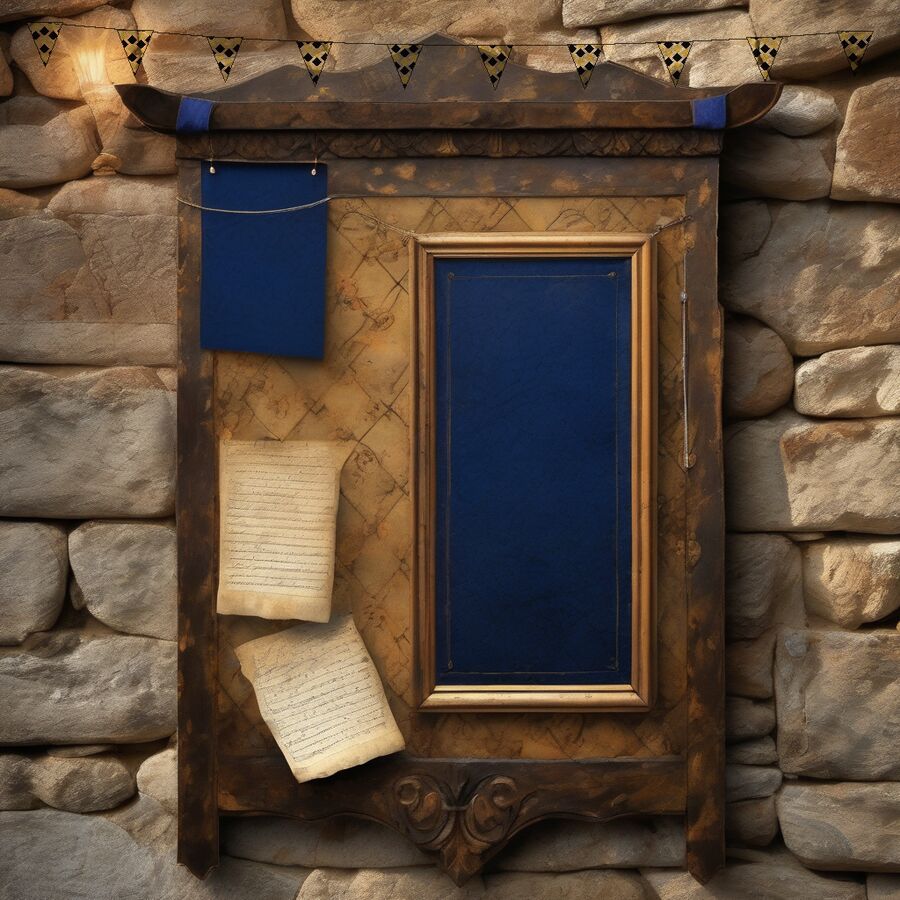
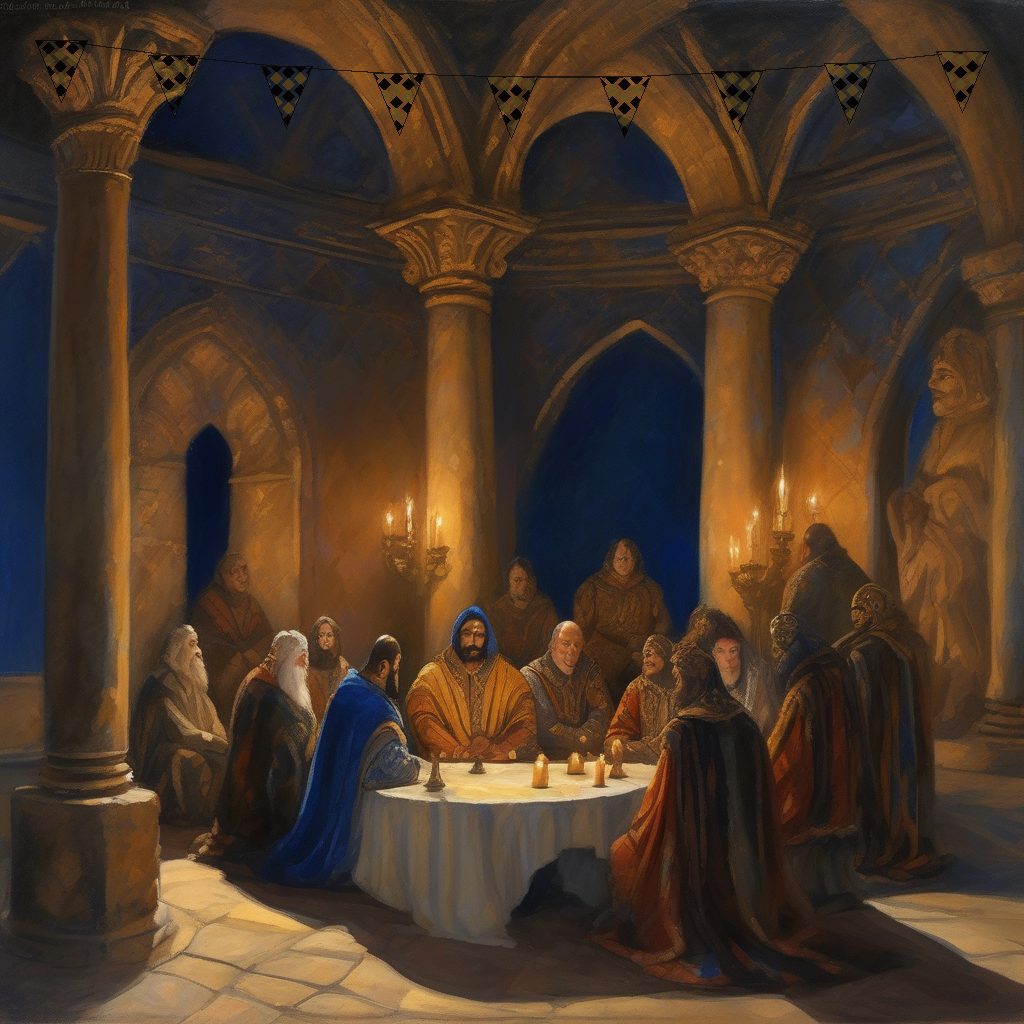
La villa tiene estancias para distintas formas de vida en común. La entrada recibe. El mercado intercambia. El foro conversa. El tablón deja memoria. El banco guarda. El chat acerca. El consejo cuida lo que es de todos. Cada puerta es una manera de participar sin dejar la máscara en el umbral.

The village has rooms for different ways of living together. The entrance receives. The market exchanges. The forum talks. The noticeboard leaves a record. The bank keeps. The chat brings people closer. The council cares for what is shared. Each door is a way to take part without leaving the mask at the threshold.

La entrada de la villa / The village entrance
EntradaEntrance
El mercado de la villa / The village market
MercadoMarket
El foro de la villa / The village forum
ForoForum
El tablón de la villa / The village noticeboard
TablónNoticeboard
El banco de la villa / The village bank
BancoBank
El chat de la villa / The village chat
ChatChat
El consejo de la villa / The village council
ConsejoCouncil

La historia es la puerta. Puedes leer los principios, ver cómo se sostiene la villa o ponerte una máscara.

The story is the door. You can read the principles, see how the village stands, or put on a mask.